


Full-time Staff
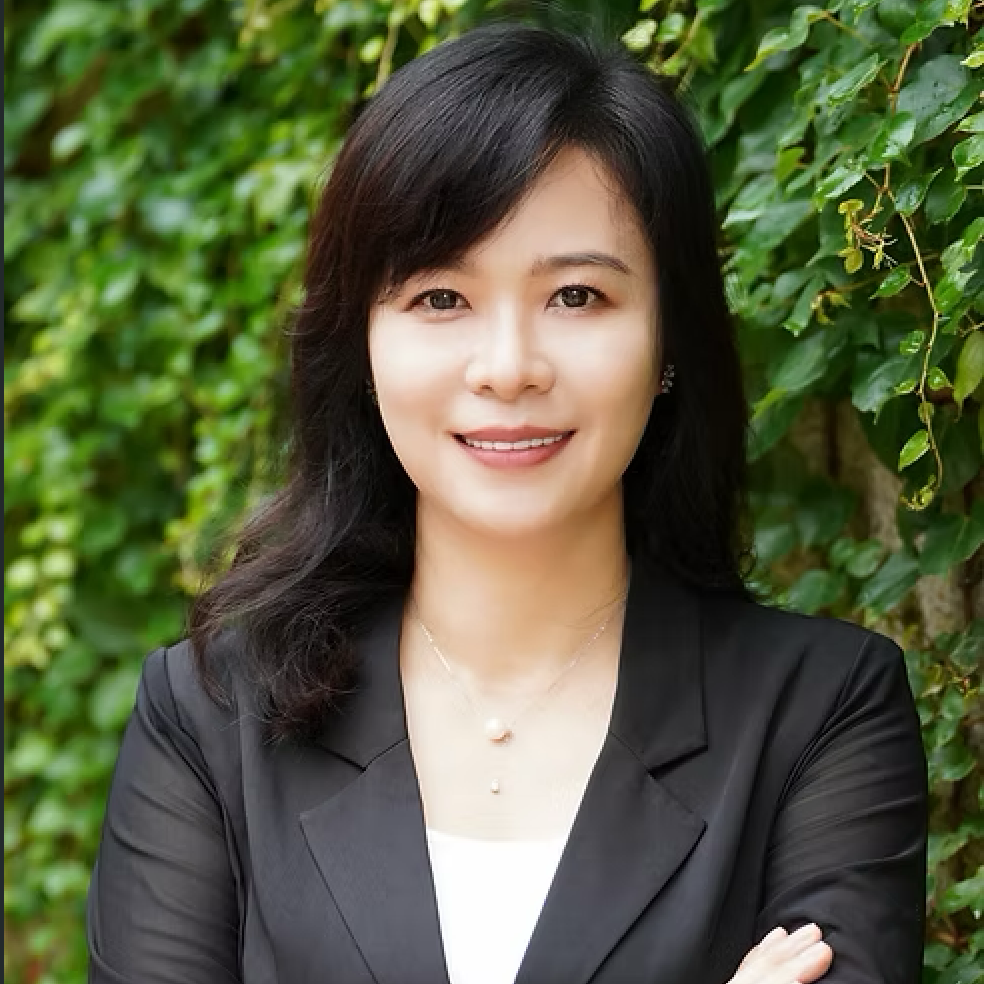
hE shenjing
Director, Professor
Shenjing He is Professor of Urban Studies and Department Head at the Department of Urban Planning and Design, Faculty of Architecture, The University of Hong Kong. She is the founding director of the Social Infrastructure for Equity and Wellbeing (SIEW) Lab. Shenjing’s research interests focus on urban redevelopment and gentrification, policy mobility and entrepreneurial urbanism, rural-urban migration and informal housing, urban development and housing price mechanism, rural-urban interface and health geography. Shenjing serves as an editor for Urban Studies since 2012 and sits on the editorial board of several urban and geographical journals.
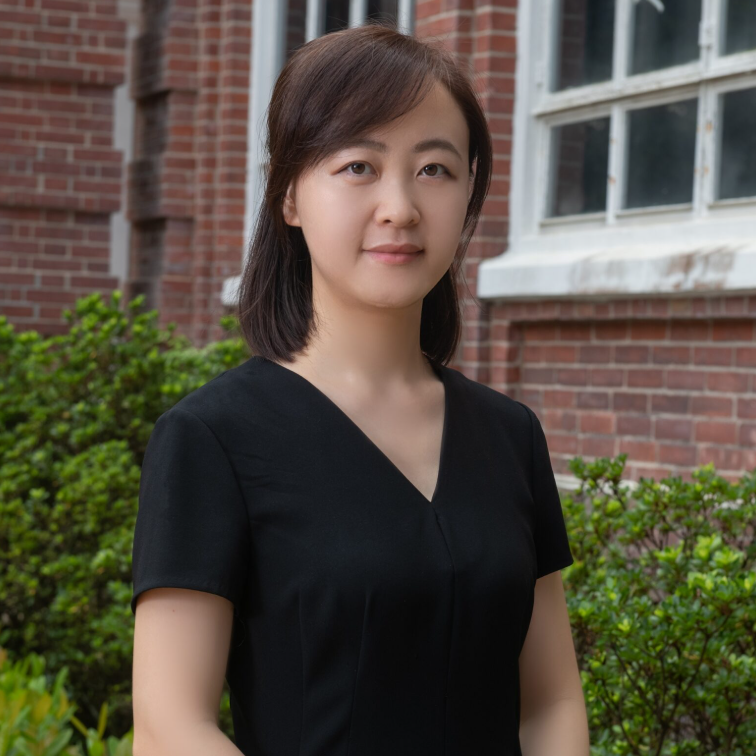
GUO Cui
Assistant Professor
Dr. Cui Guo is an Assistant Professor at the Department of Urban Planning and Design, the University of Hong Kong. Her research interest mainly lies in Environmental Health, particularly in the health impact assessment of air pollution, climate change, and built environments. Life-course exposure to environmental factors is another key research interest. Dr. Guo has published more than 80 articles in peer-reviewed prestigious journals, including Nature Climate Change, Circulation, Lancet Planetary Health, Diabetes Care, Environmental Health Perspectives, and eClinicalMedicine as first/corresponding author. Her research is based on both local and global health systems to contribute scientific findings to the improvement of human health and living environment. Her research enhances governmental guidelines on air pollution control, heat adaptation and health improvement. Dr. Guo’s research findings have been reported by a series of local and overseas newsletters.
Liu Xingjian
Associate Professor
Dr. Xingjian Liu is an Associate Professor and Associate Head of Research in the Department of Urban Planning and Design at The University of Hong Kong (HKU). His expertise focuses on urban geography, polycentric urban development, and urban analytics in China. He also serves as a leader in departmental research committees.
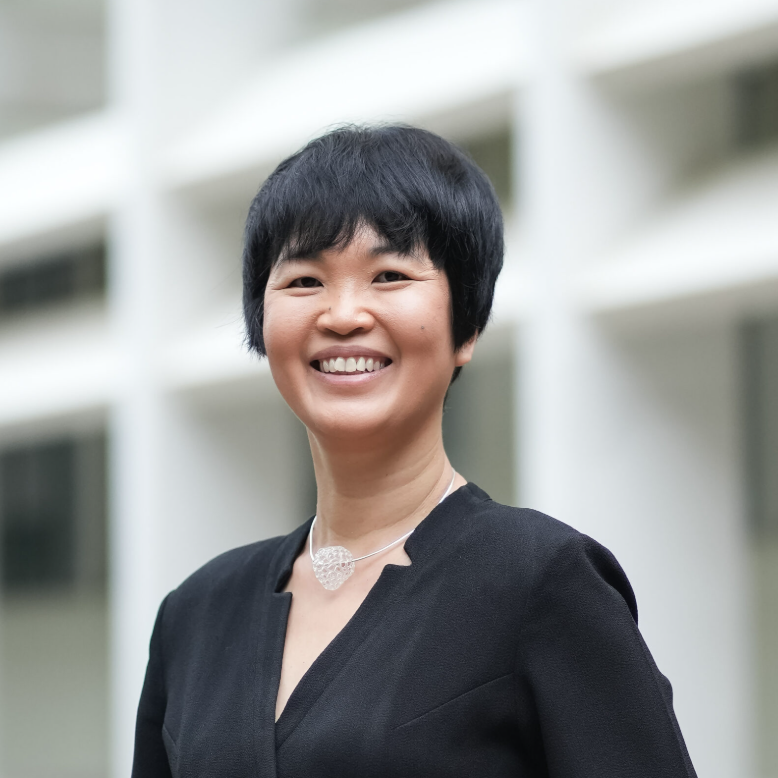
SENG Eunice M.F.
Associate Professor
Eunice Seng, PhD, is Head of Department and Associate Professor in the Department of Architecture. She is the founding principle of award-winning SKEW Collaborative, an architectural and research consultancy. Her research and scholarship focus on the interaction between historical contingency and the built environments in Asia and Southeast Asia and attend to the interdisciplinary intersections, transnational connections, and agency in architecture, housing, gender, labor, and public space, with visible impact on the local, regional, and global scales.As an architectural and urban historian, Seng is the author of Resistant City: Histories, Maps, and the Architecture of Development (WSP, 2020). She is a contributing author for the Hong Kong section in the Bloomsbury Global Encyclopaedia of Women in Architecture, 1960-2015. Her current book project, Housing Contingency, investigates mid-twentieth-century composite buildings as archival sites to understand Hong Kong’s urban housing development based on migration, exclusions, and negotiations. Additional research efforts include examining housing design and planning in Singapore as a complex of colonial, postcolonial, and Cold War contingencies and women’s work on modern architecture in Asia.
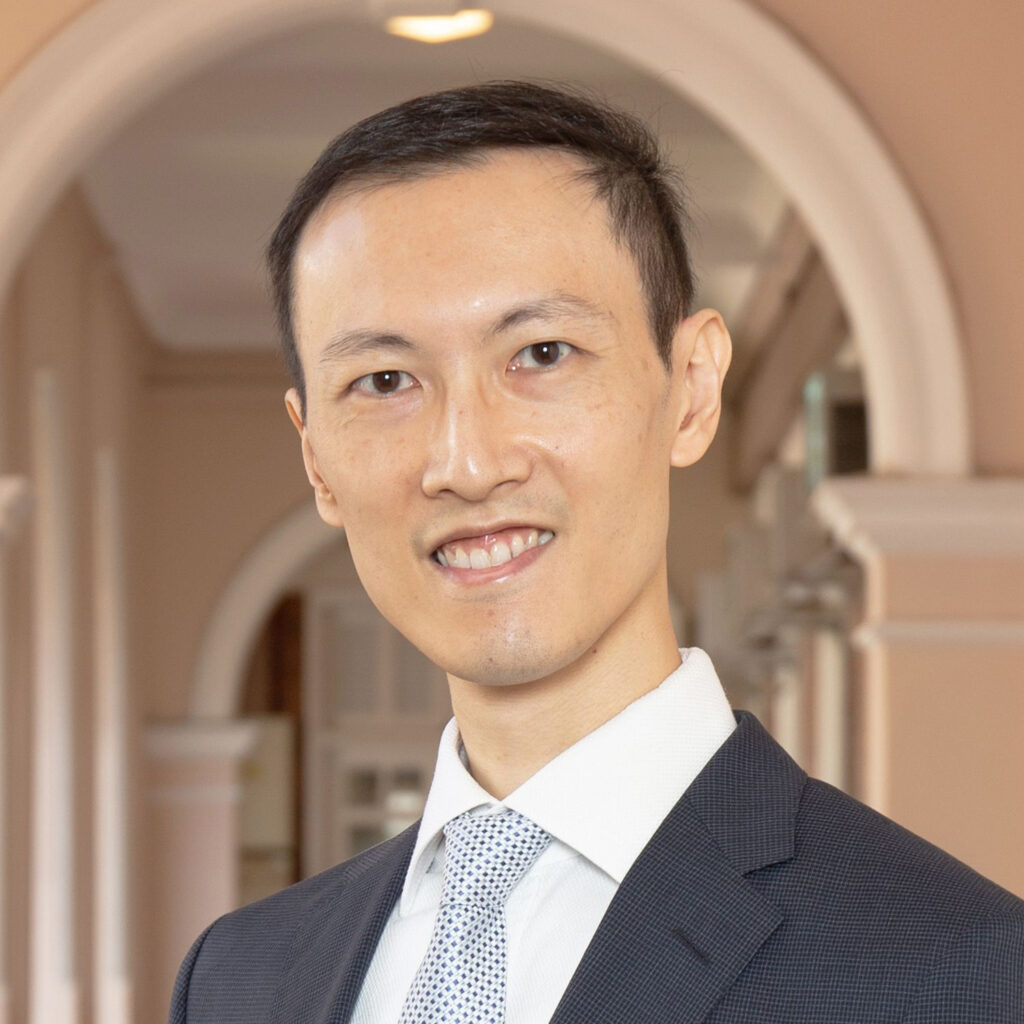
WONG Kelvin S.K.
Professor
Kelvin S.K. Wong is Professor of Real Estate at the University of Hong Kong (HKU), where he leads the Real Estate Lab and serves as Executive Associate Dean of the Faculty of Architecture. His previous roles include heading the Department of Real Estate & Construction from 2019 to 2023, directing the MSc(Real Estate) program between 2017 and 2020, and serving as Associate Dean (Teaching & Learning) from 2014 to 2016. As a real estate economist, Professor Wong specializes in analyzing the behaviors of developers, investors, occupiers, and agents within ‘inefficient’ markets characterized by illiquidity, incomplete information, and inelastic supply. He is notably credited with co-inventing Hong Kong’s repeat-sales property price index, the region’s first tradable housing derivative. Recognized globally for his contributions to real estate scholarship, he has received numerous awards, including Senior Fulbright Scholar, Homer Hoyt Institute’s Post-doctoral Honoree, and the University of Cambridge’s Doris-Zimmern Award. Additionally, he serves on the Engineering Panel of the Hong Kong Research Grants Council, which oversees an annual research funding allocation of HK$300 million.
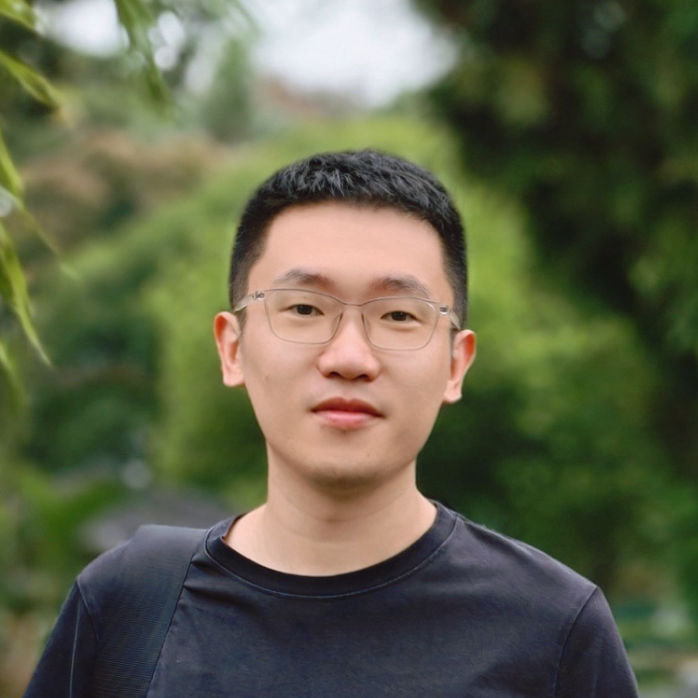
ZHU Jin
Assistant Professor
Jin is an Assistant Professor at the Department of Real Estate and Construction and the Department of Urban Planning and Design, The University of Hong Kong. Previously, he worked as an Assistant Professor at the Department of Public Policy, City University of Hong Kong. He completed his PhD (Planning and Urban Development) at University of New South Wales (UNSW), Australia and received his bachelor’s and master’s degrees in urban planning from Zhejiang University and Tongji University, China. During his PhD at UNSW, he also worked as a part-time researcher at the university’s City Futures Research Centre. Jin also consulted widely for different levels of government across mainland China during his industry experience as a town planner. This practical background informs his academic research and teaching, effectively bridging the gap between theoretical knowledge and real-world policy implementation. His research interests encompass a broad range of interconnected urban challenges, including housing studies, land policy, urban and rural planning, urbanisation and migration, sustainable built environment and urban governance. His research has been funded by the National Science Foundation of China and Hong Kong Research Grants Council. He serves as Asia Editor for the International Journal of Housing Policy and is an editorial board member of Planning Practice and Research and Journal of Rural Studies. He is also the Secretary of the Asia-Pacific Network for Housing Research.
CHEN Bin
Associate Professor
Dr. Bin Chen is an Associate Professor in the Division of Landscape Architecture, Director of Future Urbanity & Sustainable Environment (FUSE) Lab at the University of Hong Kong. He obtained his BSc in Geographical Information System from Wuhan University, and his PhD in Global Environmental Change from Beijing Normal University. Before joining HKU, he worked as a postdoctoral researcher at the University of California, Davis. Dr. Chen has been broadly trained in geospatial science and environmental science. He is passionate about tackling a range of pressing local, regional and global environmental change challenges using exceptional quantitative, analytical, and computational skills, with the ultimate goal of contributing to a sustainable and healthy world.
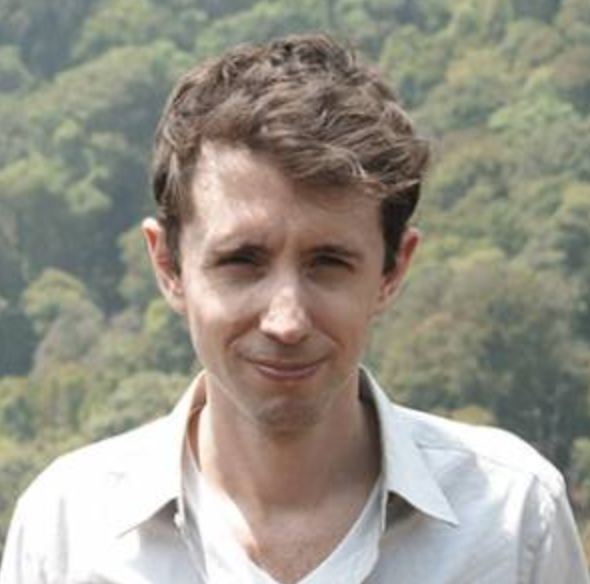
KELLY Ashley Scott
Assistant Professor
Ashley Scott Kelly is a landscape planner and expert in geographic information systems at the University of Hong Kong. His research and practice focus on scenario-building and filling knowledge gaps for sustainable development, especially in regions that lack adequate knowledge or transparency in development information and spatial data. He applies design methods to land change and landscape ecology, with wide expertise on the manipulation of geospatial data for the study, advocacy, design and delivery of projects in ecologically complex and contested landscapes. Ashley’s recent works include design guidelines for tropical road infrastructure, wildlife corridor modelling and crossing design, and coupling high-resolution remote sensing with historical narratives for novel impact assessment.
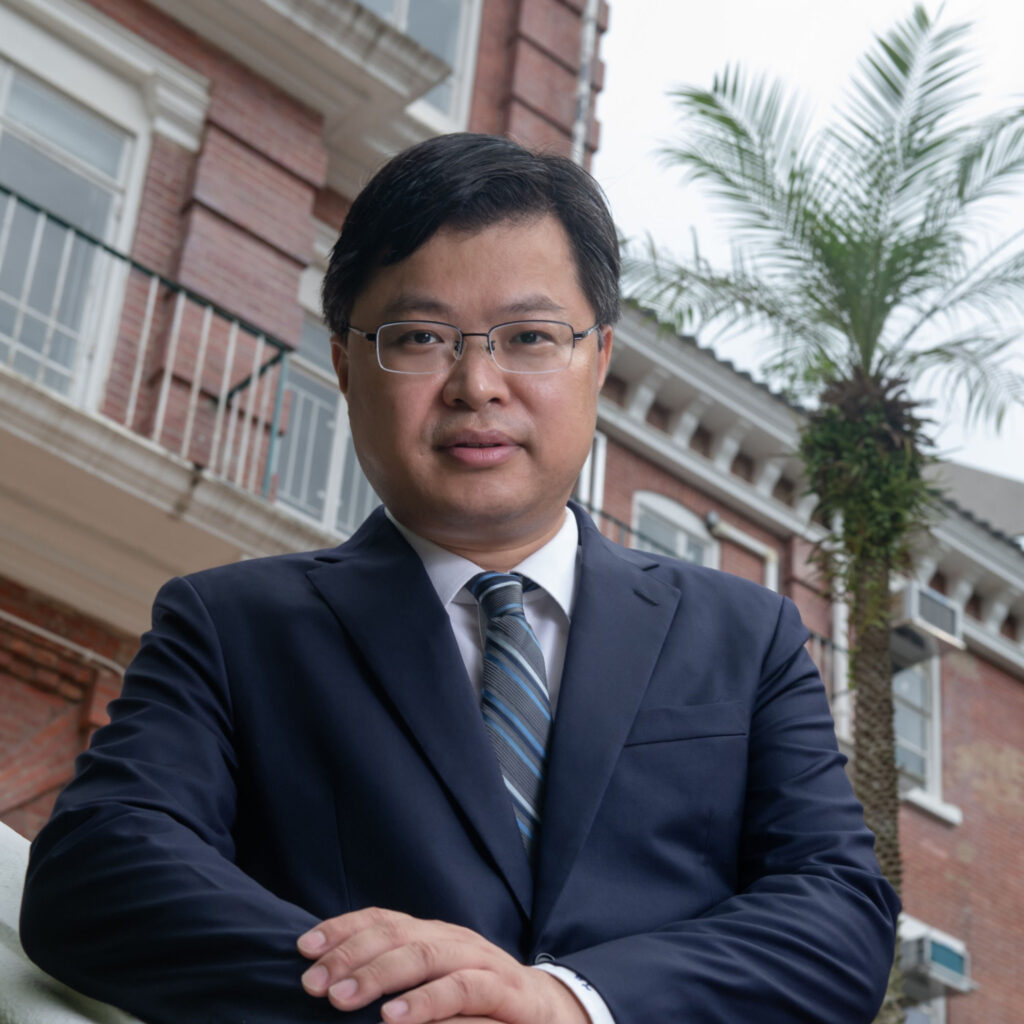
Li Weifeng
Associate Professor
Weifeng Li is Associate Professor in the Department of Urban Planning and Design at the University of Hong Kong. Weifeng Li received his Ph.D. from Massachusetts Institute of Technology (MIT) in the US, and joined the University of Hong Kong in 2011. He has previously studied at Peking University in China. He is currently an Associate Editor of Journal of Transport and Land Use, a member of the editorial board of Transportation Research D: Transport and Environment, President of the Hong Kong GIS Association, and Chair of Transportation Planning Track at World Transport Convention (WTC). Weifeng’s primarily research interests focus on environmental sustainability associated with urbanization and transportation, urban spatial structure and air pollution, health effects, and the use of urban modelling, remote sensing and big data in urban and environmental studies.
WANG Wei Jen
Professor
Wang Weijen is a Professor in the Department of Architecture at the University of Hong Kong. He is a graduate of UC-Berkeley and Taiwan University. His research mainly focuses on Chinese architecture and cities, including the transformation of courtyard typology, urban fabric and public space in historical and contemporary Chinese cities, and the typology of the Chinese temple.Recent publications include Re-fabricating Cities: A Reflection (2010), Re-generating Patio: Study of Macau Historical Urban Fabric (2011), a special issue of Taiwan Architect (185; 2011), and UED (053), “Urban Courtyardism: Design Works by Wang Weijen”, also in 2011. His design projects have won several AIA Design Awards, a Far Eastern Architectural Award, as well as Green Building Award and HKIA Award. They have been exhibited at venues around the world.
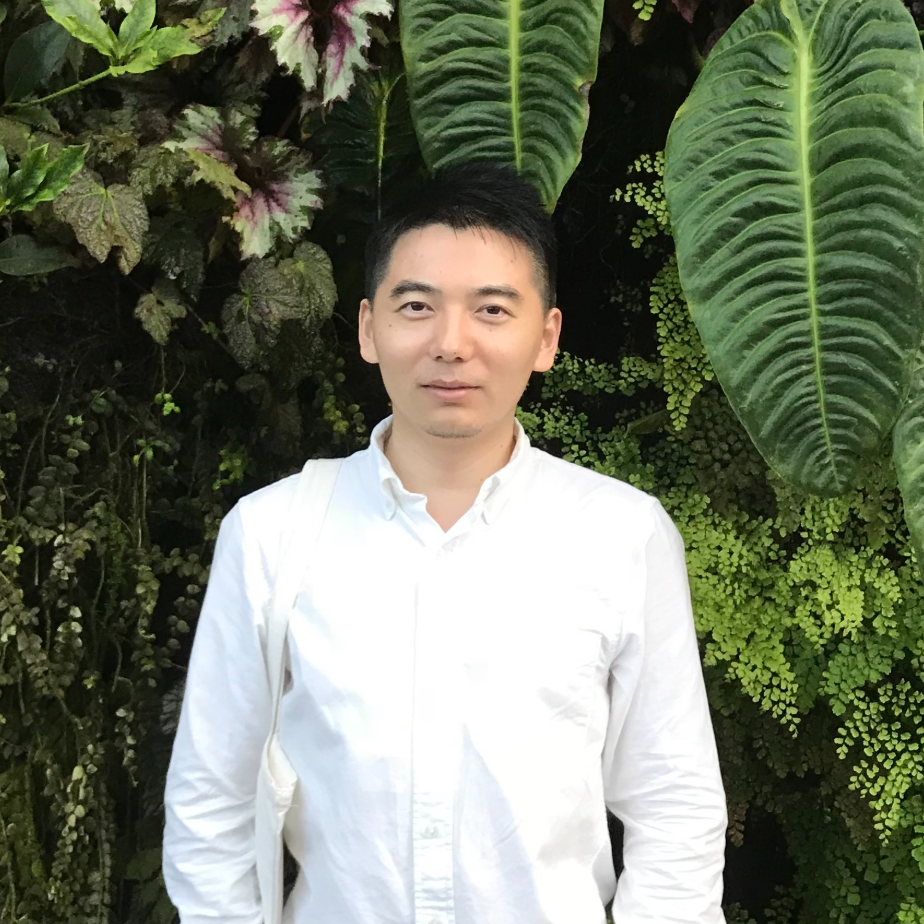
ZHANG Xiaohu
Assistant Professor
Xiaohu Zhang is an Assistant Professor in the Department of Urban Planning and Design. Prior to this, he worked in Singapore-MIT Alliance for Research and Technology, MIT Senseable City Laboratory and Sun Yat-Sen University. His scholarship bridges the information gap in sustainable urban and transportation policy-making with stochastic simulation and big data analytics. Broadly interested in urban data science, his recent work explores the sustainability of new shared mobility services, such as scooter sharing, carsharing and ridesharing. His research uses multi-source datasets to advance understanding of pressing urban and transportation issues, e.g., urban expansion, emerging mobility services and the interactions between land use and transportation. His research enriches public policy debates in urban and transportation issues with accurate information evidenced by timely datasets. It also provides a base to stimulate discussions among stakeholders. Harnessing digital technology can prevent policymakers from rushing into inappropriate policy-making with obsolete knowledge that is harmful to both public interests and technological advancement. These efforts will utilize new urban data to pave the way for future sustainable cities.
ZHU Tao
Associate Professor