

Objective
Vision: A World-Class Hub for Architectural and Urban Research, Design, and Practices
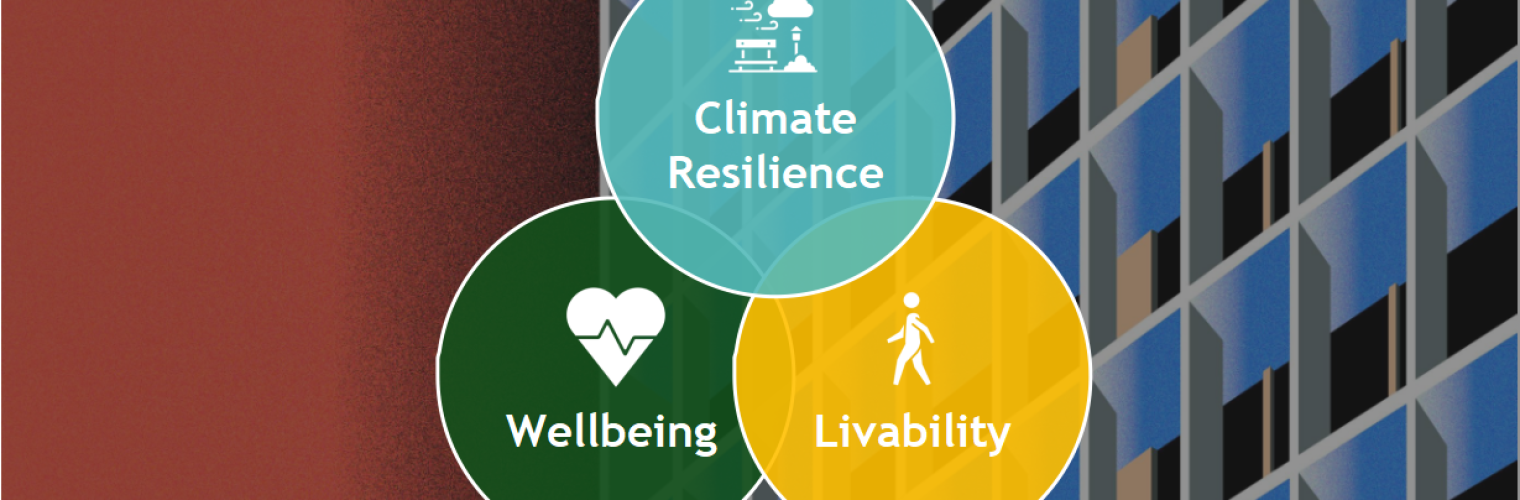
Subtropical regions are urbanizing rapidly as climate risks intensify, creating an urgent need for climate-resilient, low-carbon, and health-oriented building and urban solutions. Establishing the Hong Kong Base for the State Key Laboratory of Subtropical Building and Urban Science (SKL-SBUS) leverages Hong Kong’s unique role as both a challenging real-world testbed and a gateway to wider impact across the world. High-rise compact cities concentrate people, assets, and critical infrastructure; thus, targeted advances in standards, operational efficiency, and risk management can generate outsized gains in climate security, emissions reduction, public health, and productivity. The Hong Kong Base’s distinctive strength lies in its integration of architecture and urban science, enabling coordinated innovation across design, materials, structures, environmental performance, sensing, modelling, and governance. The Hong Kong Base will advance subtropical building and urban science through high-quality collaborative research across four themes, supported by signature forums and conferences that position Hong Kong as a regional knowledge and innovation hub. It will coordinate joint grant applications anchored in Hong Kong and GBA, targeting major competitive schemes including the MoST, NSFC, RGC, and ITF, among others. In teaching and training, the Base will establish joint taught postgraduate and executive programs, complemented by recurring summer school and related initiative. Through long-term industry partnerships, it will translate research into practical tools, workflows, and benchmarks for real-world adoption.
Anticipated Outcomes
The Hong Kong Base will deliver joint scholarship linking decarbonization and climate adaptation to inequalities in housing, healthcare and education. Demonstrators in public housing estates, school clusters and clinic service areas will generate measured evidence (POE, accessibility, resilience, carbon). Coordinated bids to MoST/NSFC/RGC/ITF will scale impacts across Hong Kong and the GBA.
The Base will provide equity-sensitive decision support for GBA governments, translating research into guidance on healthy low-carbon housing, heat–health and flood risk management, and school/clinic accessibility and capacity. Policy briefs and playbooks will align investment with equalization and optimization of social infrastructure and measurable wellbeing outcomes.
The Base will establish joint TPG and Executive Education programs that integrate subtropical urban science with welfare-oriented planning and governance. Training will cover POE, digital twins, accessibility and equity metrics, and evidence-to-policy methods for housing, healthcare and education. A recurring Winter/Summer School will build interdisciplinary talent pipelines for Hong Kong/GBA.
Through long-term industry and public-sector partnerships, the Base will co-develop deployable tools, benchmarks and pilots for high-rise retrofits, healthy indoor environments and district interventions. Collaboration will translate research into procurement-ready workflows and verified performance metrics—carbon, comfort/IAQ, resilience, accessibility—supporting faster adoption across Hong Kong and the GBA and improving opportunity, equity and wellbeing.